Feening Meaning: What Does “Feening” Mean in Text & Slang?
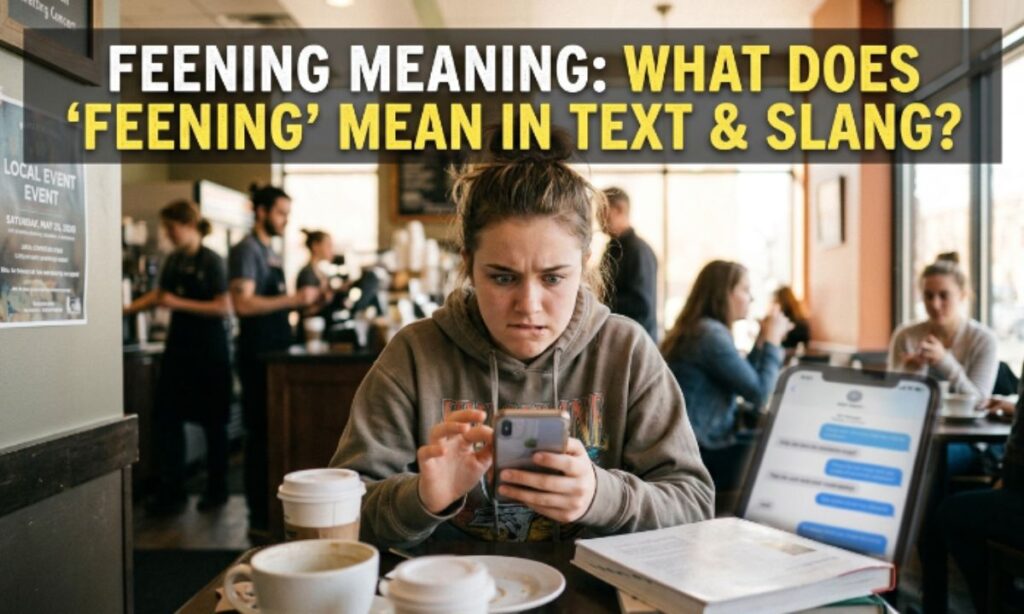
If you’ve ever come across the word “feening” in a text message or on social media, you might have been confused, especially since it sounds like a typo. With the rise of youth culture and internet slang, new terms crop up frequently, and keeping track can be tricky. But “feening” has a relatively straightforward, if layered, meaning.
This article breaks down everything about the term, from its serious origins to its playful modern use on TikTok and Instagram.
What Does “Feening” Actually Mean?
In modern slang, “feening” means having an intense craving or strong desire for something. It is used to describe a feeling of wanting something so badly that it becomes almost all-consuming or dramatic. Think of it as “wanting” on steroids.
While it is informal, it’s a very common word in casual chats, text messages, and on social media platforms. When someone says they are “feening” for something, they are emphasizing a high level of desire, whether it is for food, attention, or a new movie release.
Simple Definition:
- Feening: To strongly want or crave something.
Examples in Context:
- “I’m feening for pizza right now.” -> I really want pizza.
- “She’s feening for that new phone.” -> She really wants that new phone badly.
The Origins of “Feening” — Where Did This Slang Come From?
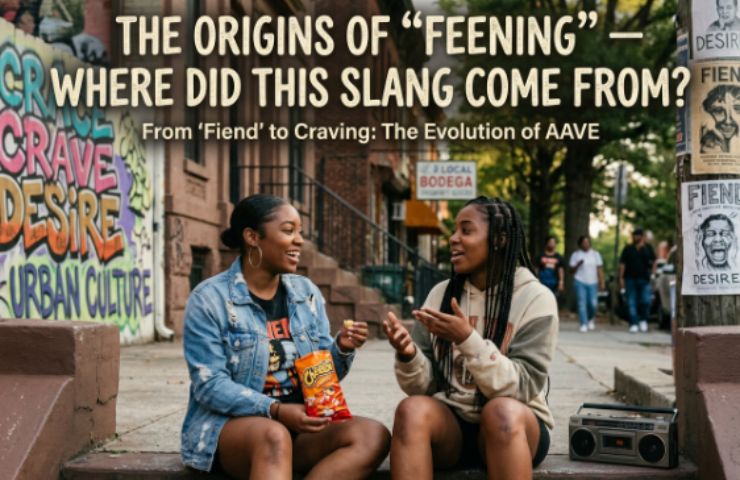
To understand the word’s current intensity, you have to look at its history. “Feening” is a derivative of the word “fiend,” which has been used since the 1890s as a term for someone who is addicted to drugs (e.g., “dope fiend”).
The term “fiend” originally meant an evil or cruel person, but by the late 19th and early 20th centuries, it became associated with addiction. “Fiending” (or “feening”) initially referred to the desperate, obsessive behavior of someone going through withdrawal or actively seeking drugs.
The term specifically gained traction in the late 1980s and 1990s alongside the rise of highly addictive drugs in street culture and hip-hop music. Artists and communities used it to describe the unrelenting pull of addiction. Over time, the word was adopted by mainstream pop culture, particularly through music, and it began to shed its exclusively “drug” connotation, becoming a dramatic way to describe any intense craving.
“Feening” in Text Messages: How People Use It Today
Today, in texting and messaging apps, “feening” has largely lost its dark edge. It is primarily used to express urgent desire in a fun or exaggerated way. It is a way for friends to communicate excitement or a strong whim.
For example, you might see messages like:
- “I’m feening for a coffee right now 😭”
- “I’ve been feening for the new episode of that show all week!”
The word adds a layer of drama that a simple “I want” doesn’t. It conveys that the speaker’s desire is at the forefront of their mind.
Feening vs. Fiending: Is There a Difference?
A common question is whether “feening” and “fiending” are the same thing. The short answer is yes, they are used interchangeably.
“Fiending” is the more etymologically correct version, as it is directly derived from the word “fiend”. “Feening” is a popular phonetic spelling that has emerged over time. Both mean the exact same thing: to crave or desire intensely.
The same goes for other variations like “feenin’” (often used in music to fit a rhythm) or “fiendin’”. There is no “official” correct spelling, though “feening” is one of the most common in text due to its simplicity.
Common Examples of “Feening” in Everyday Conversations
Because it is such a versatile piece of slang, you can use “feening” in many situations. Here are some real-world examples of how it appears in everyday conversation:
ContextExample ConversationCraving FoodA: “What are you doing later?”
B: “Nothing much, but I’m feening for burgers right now.” Looking Forward to MediaA: “Did you watch that show?”
B: “Yeah, I’m feening for the next episode already.” Wanting to Go OutA: “Do you want to go out?”
B: “Come on, I’m feening for some fresh air.” Being TiredA: “Are you okay?”
B: “Yeah, just tired. I’m feening for sleep too.” Wanting an ItemA: “You like that jacket?”
B: “I’m feening to buy it.”
How to Use “Feening” Correctly in a Sentence
Using “feening” is very simple. It functions as a verb and is often used in the present continuous tense. The most common structure is “feening for.”
- Correct: “I am feening for a new video game.”
- Correct: “He is feening over that girl.”
- Correct: “I am feening to go on vacation.”
When to avoid it:
- Professional Settings: Avoid using “feening” in formal emails or workplace communication. It is considered slang and may seem immature or unprofessional.
- Formal Writing: It should not be used in academic papers or professional reports.
Feening in Music, Movies, and Pop Culture
The term “feening” has been deeply rooted in pop culture, particularly in hip-hop music. The Rap Dictionary, a resource for hip-hop slang, lists multiple examples of the term in songs. For instance, Tay Money rapped, “I’m the Queen I been feening for that motherfucking paper…” and Chief Keef has used the phrase “feening off the earth” in his music.
This prevalence in music, alongside artists like Ice Billion Berg and Young Costamado, helped push the word from the streets into the mainstream. Today, you’ll see it in song lyrics, often expressing desire for money, romance, or material goods.
Read More: MSRP Meaning: What Does MSRP Stand For? Definition & How It Works
Feening on Social Media: TikTok, Twitter, and Instagram Slang
Feening is widespread across social media platforms, where it is used for maximum dramatic and relatable effect.
- TikTok: You might see it in captions like “feening for this outfit 😭” or in comments on videos of food, expressing extreme desire.
- Instagram: Often used in Stories or Reels to express a current mood, e.g., “Feening for summer vibes already ☀️”.
- Snapchat: It is common in chats and streaks to ask for something, like “I’m feening for some late-night snacks.”.
The word also pairs with acronyms. A viral post featured the phrase “wya rn i need it wya rn im feening” (Where you at right now, I need it, where you at right now, I’m feening), showing how slang-heavy texts go viral.
Is “Feening” Only About Drugs? Exploring Its Broader Uses
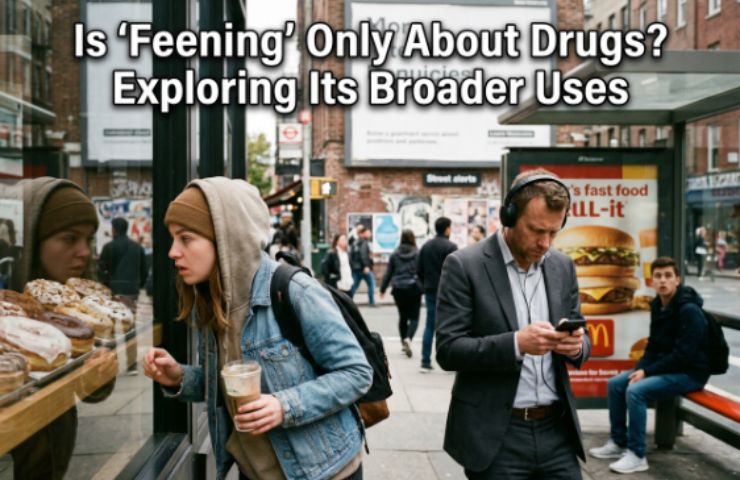
It is crucial to note that while the word has roots in addiction, modern usage is much broader. Most times you hear “feening” online or among friends, it is not about drugs.
However, context is key.
Broader Uses:
- Food: “I’m feening for tacos.”
- Romance: “I’ve been feening over you all week.”
- Entertainment: “I’m feening for the new album to drop.”
- Objects: “I’m feening for a new pair of sneakers.”
When to think twice:
Around people who are connected to addiction (whether their own or someone they loved), using “feening” for something trivial (like tacos) can feel tone-deaf. It is important to “read the room” because the word carries weight that might not be appropriate for the situation.
Similar Slang Words and Phrases to “Feening”
If you want to vary your language or express desire in a different way, here are some similar terms:
- Craving: The standard, non-slang equivalent.
- Dying for: A dramatic way to say you want something urgently (e.g., “I’m dying for a drink.”).
- Can’t stop thinking about: Good for expressing a persistent desire.
- Obsessed with: A common modern phrase to describe a strong interest.
- High-key: Used to emphasize you really want something (e.g., “I high-key want that.”).
- Shook: If a desire leaves you amazed or shaken, you might say you are “shook” by it.
How to Respond When Someone Says They’re “Feening”
The best way to respond depends on the situation.
ScenarioSuggested ReplyFunny / Exaggerated“Relax 😂 it’s not that serious!” or “Control yourself 😭” Casual / Friendly“Same here honestly!” or “I get you.” Supportive“Let’s go get some then!” or “I’ll join you.” If it is serious“Are you okay? Can I help with anything?”
Feening Meaning by Generation: How Usage Has Evolved
The evolution of the word “feening” demonstrates a generational shift in language.
- Older Generations / Historical Context: The term was associated with “dope fiends” and severe drug addiction. It had a very negative and serious connotation, often attached to “crack fiends” or “meth fiends” and the desperate behaviors of withdrawal.
- Millennials/Gen Z: Younger generations have repurposed the word. While they are often aware of its root, they use it ironically and dramatically to describe everyday cravings for things like food, media, or romance.
This transformation from a word of serious affliction to a common joke is a classic example of how internet culture can soften the edges of language.
UsageFeeningFeigningMeaningTo crave or desire something intensely.To pretend or fake something.ContextSlang, informal (Texting, TikTok).Formal, professional (Emails, academia).Example“I’m feening for pizza tonight”.”He was feigning interest in the meeting”.
Conclusion
“Feening” is a powerful piece of modern slang with a complex history. It has evolved from describing the dark depths of addiction to being a playful way to express a craving for a burger or new episode of your favorite show. The term is incredibly versatile in casual digital communication, but it is essential to be mindful of your audience and the context. While its meaning is usually light-hearted among friends, it can carry a heavier weight in other settings.
Frequently Asked Questions
What does “feening” mean in slang?
Feening is slang for having an intense craving or strong desire for something. It’s used to express that you want something badly, often in an exaggerated way.
What is the difference between “feening” and “fiending”?
There is no difference in meaning. They are interchangeable spellings of the same slang word for craving something. “Fiending” is closer to the original word “fiend,” while “feening” is a common phonetic spelling.
Is “feening” a bad word?
No, “feening” is generally not considered a bad or offensive word. It is informal slang, but it is perfectly safe to use among friends and peers. However, it should be avoided in professional or formal settings.
Can “feening” be used about a person?
Yes, it can. Someone might say they are “feening for” a romantic interest or an ex, meaning they have a strong longing for that person.
How do you respond to someone who says they are “feening”?
Responses depend on the context. You can respond humorously (“Relax, it’s not that serious!”), casually (“Same here!”), or supportively (“Let’s get it then!”) depending on what they are craving.
Leave a Reply