What Does LOL Mean in a Text? The Ultimate Guide to Texting’s
The Official Definition
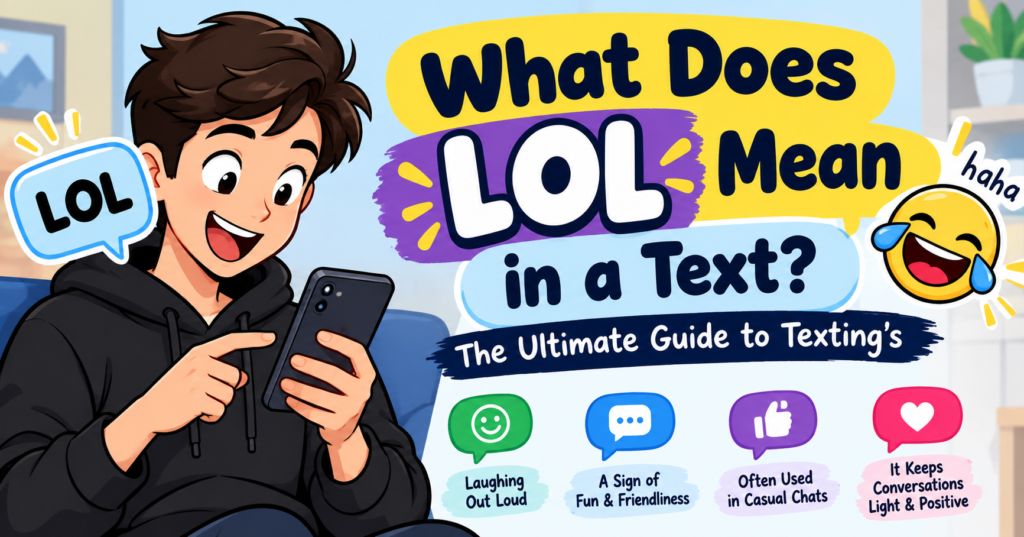
The term LOL almost always stands for “laughing out loud” or “laugh out loud.” This widely recognized initialism—pronounced either as individual letters “el oh el” or as a word “lawl”—is officially recognized by the Oxford English Dictionary as an expression of amusement . The dictionary added LOL to its pages in 2011, cementing its status as legitimate English vocabulary .
A Brief History of LOL
The creation of LOL is itself an interesting piece of internet history. According to reports, the term was coined in the 1980s by Canadian Wayne Pearson in a pre-internet chat room used in Calgary, Alberta . The first documented use of LOL in its modern sense appeared on May 8, 1989, in a list of acronyms published in the FidoNews newsletter for the FidoNet bulletin board system .
Other Historical Meanings
Before LOL became synonymous with laughter, it had other meanings that occasionally cause confusion today. In the 1960s, LOL was used as an initialism for “little old lady” . Later, some people—particularly among older generations—used LOL to mean “lots of love” or “lots of luck” . If you’ve ever received a message from a parent or grandparent ending with LOL, this historical meaning might explain why .
| Historical Meaning | Time Period | Usage Notes |
| Little Old Lady | 1960s | Rarely used today |
| Lots of Love | 1980s-1990s | Primarily used by older generations |
| Lots of Luck | 1980s-1990s | Often confused with “laughing out loud” |
| Laughing Out Loud | 1989-present | Current primary meaning |
The most common question people ask is “What does lol mean in a text?” The answer depends heavily on context, capitalization, and the relationship between the texters. Today’s LOL serves as a chameleon, adapting its meaning to fit various conversational needs .
Laughing at Something Funny
The most straightforward use of LOL is to indicate that something is genuinely amusing. When you send LOL in response to a joke or funny story, you’re telling the other person that they made you laugh. However, in modern texting culture, LOL often doesn’t mean literal laughter. It frequently serves as a way to acknowledge humor without actually laughing out loud—an acknowledgment of amusement rather than a report of physical reaction .
Expressing Sarcasm or Irony
LOL has become a valuable tool for conveying sarcasm in text-based communication. When a statement is clearly ironic, adding LOL helps ensure the recipient understands your tone. For example, if a friend suggests a terrible idea, responding with “That’s a great plan, lol” clearly communicates your disagreement without being confrontational .
Showing Lightheartedness or Unseriousness
Sometimes we need to soften a statement that might otherwise seem harsh or critical. Adding LOL at the end of a criticism or complaint indicates that you’re not being entirely serious. It’s a way of saying, “I’m sharing this with you in a friendly, joking spirit, so please don’t take it too seriously.”
Acknowledging Presence and Filling Conversation Gaps
In many modern conversations, LOL has evolved into what linguists call a “phatic expression”—communication that serves a social function rather than conveying specific information . When someone sends a standalone “lol,” they might be indicating:
- Acknowledgment that they’ve read your message
- Confirmation that they’re still present in the conversation
- Agreement without needing to form a complete response
- A way to avoid leaving someone on “read”
The Capitalization Matters
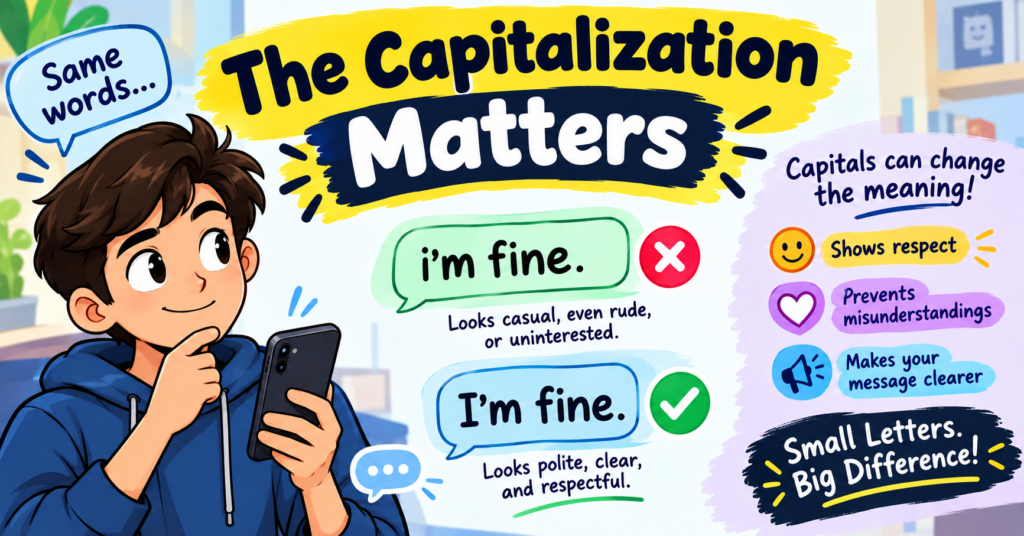
The way LOL is typed provides important clues about its meaning:
| Capitalization | Typical Meaning |
| LOL | Strong amusement, genuine laughter |
| lol | Mild amusement, casual acknowledgment |
| lOl or LoL | Often indicates sarcasm or ironic use |
| LOLOLOL | High degree of amusement |
What Are the Most Common Variations of LOL?
While “what does lol stand for” is the fundamental question, you’ll encounter numerous variations that amplify or alter its meaning.
LMAO (Laughing My Ass Off)
LMAO is arguably the most common LOL variation. It expresses a stronger reaction than LOL and is often used when something is genuinely hilarious . The more emphatic version, LMFAO (which includes a stronger expletive), conveys even greater amusement.
ROFL (Rolling On the Floor Laughing)
ROFL represents an even more extreme physical reaction to humor. Often combined with LMAO to form ROFLMAO, this variation indicates that you find something hysterically funny—at least in the abstract .
IJBOL (I Just Burst Out Laughing)
The newest addition to the laughter acronym family, IJBOL emerged in the 2020s. Gen Z has embraced this acronym as an alternative to the supposedly outdated LOL . It’s typically used when something genuinely catches you off guard and makes you laugh spontaneously.
Lawl and Lulz
These playful spelling variations of LOL represent a more casual, often ironic usage. Lulz, in particular, has been associated with internet culture and is often used to indicate laughter at someone else’s expense.
Keyboard Smashes
While not acronyms, Gen Z has popularized random keyboard smashes like “kjshfksjnrgtw” as expressions of extreme laughter . This unconventional form of expression represents the ever-evolving nature of digital communication.
Here’s a quick reference table for these variations:
| Acronym | Meaning | Intensity Level |
| LOL | Laughing Out Loud | Moderate |
| LMAO | Laughing My Ass Off | High |
| LMFAO | Laughing My F***ing Ass Off | Very High |
| ROFL | Rolling On Floor Laughing | Very High |
| IJBOL | I Just Burst Out Laughing | High |
| ROFLMAO | Rolling On Floor Laughing My Ass Off | Maximum |
When to Use LOL in a Text
Understanding when to use LOL is just as important as understanding its meaning. The following guidelines will help you use this versatile acronym appropriately.
Informal Conversations
LOL is most appropriate in casual conversations with friends, family, and acquaintances. In these contexts, it’s a natural way to keep the conversation flowing and add a lighthearted tone.
Social Media and Group Chats
On platforms like Instagram, TikTok, and Snapchat, using LOL is standard practice. In group chats, it serves as an efficient way to acknowledge messages without disrupting the conversation flow. Group chat participants often use LOL to indicate they’re following the conversation without adding new content .
Professional Settings
In professional environments, the appropriateness of LOL is more complicated. While it may be acceptable in internal messages with close colleagues, it’s generally best to avoid LOL in formal communications. When in doubt, leave it out to maintain professionalism.
Texting Friends vs. Texting Coworkers
The same LOL can mean very different things depending on who you’re texting. A “lol” sent to your best friend might indicate genuine amusement, while the same “lol” sent to a coworker might simply be acknowledging a message in a friendly way.
LOL Meaning Love
The “Lots of Love” Confusion
A persistent question is whether “lol” can mean “lots of love.” The answer is yes—but with significant qualifications. While LOL almost always means “laughing out loud” in modern digital communication, some people—particularly older generations—have used it to mean “lots of love” . This older usage can lead to awkward misunderstandings, such as when one person ends a serious email with “LOL” intending “lots of love,” while the recipient interprets it as “laughing out loud” .
Modern Usage
In contemporary texting, using LOL to mean “lots of love” would be highly unusual. If you intend to express affection, you’re better off using a heart emoji or simply typing “love you.” The risk of misinterpretation is simply too high.
LOL Meaning in Game
League of Legends Terminology
When gamers discuss “lol meaning in game,” they’re typically referring to League of Legends, one of the world’s most popular multiplayer online battle arena games. In this context, LOL functions as an acronym for the game itself, and players have developed an extensive vocabulary .
Essential League of Legends terminology includes:
- AA: Auto attack, the basic attack a champion performs
- ADC: Attack Damage Carry, typically associated with the bot lane player
- CC: Crowd control, abilities that limit enemy movement or actions
- CS: Creep score, representing the number of minions and monsters slain
- FF: To surrender or start a surrender vote
- GG: Good game, often said at the end of matches
A Cultural Phenomenon
The game League of Legends has become so significant in popular culture that simply saying “LOL” has spawned its own terminology guide. From “ADC” to “Zed,” the game has created a unique linguistic ecosystem that casual “laughing out loud” users might find impenetrable .
Why You Should Understand LOL and Other Texting Abbreviations
Avoiding Misunderstandings
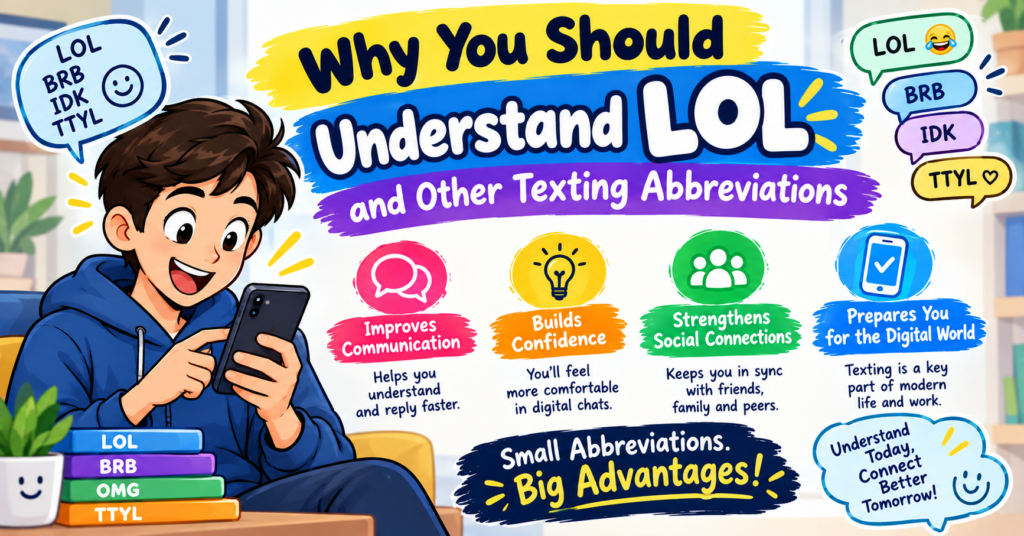
Texting is notoriously prone to misinterpretation. Without tone of voice, facial expressions, and body language, the literal words on the screen can be misleading. Understanding acronyms like LOL helps you decode the intended tone .
Improving Communication Efficiency
Acronyms exist to save time and keep conversations moving. Mastering these abbreviations allows you to engage in modern digital communication naturally and effortlessly. With people sending over 85 text messages daily, efficiency matters .
Navigating Generational Differences
Different generations use LOL in different ways. Millennials often use LOL casually while Gen Z has embraced alternatives like IJBOL or keyboard smashes . Understanding these generational differences helps prevent communication friction.
Enhancing Digital Literacy
Understanding texting abbreviations is an essential component of digital literacy in the modern world. Whether you’re a parent trying to understand your child’s messages or a professional navigating workplace chat platforms, this knowledge is increasingly necessary.
Conclusion
What does lol mean in a text? The answer has evolved significantly since the term first appeared in a Canadian chat room in the 1980s. From its origins as “laughing out loud” to its current status as a versatile conversational tool, LOL has become much more than a simple acronym.
Today, LOL can express genuine amusement, convey sarcasm, soften criticism, acknowledge messages, or simply fill conversational space. Its capitalization provides clues about intensity, and its variations—from LMAO to IJBOL—offer increasing levels of emphasis.
Frequently Asked Questions
What does LOL stand for?
LOL stands for “laughing out loud” or “laugh out loud,” though it has historically meant “lots of love” in some contexts .
What does LOL mean in a text message?
In a text message, LOL can mean genuine amusement, sarcasm, lightheartedness, or simply serve as acknowledgment of having received a message .
Is LOL outdated?
Many Gen Z users consider LOL outdated, preferring alternatives like IJBOL, keyboard smashes, or the skull emoji 😭 .
Does LOL mean lots of love?
While LOL has historically meant “lots of love” among some older generations, this usage is rare and easily misinterpreted in modern contexts .
What are the most common LOL variations?
The most common variations include LMAO (laughing my ass off), ROFL (rolling on the floor laughing), and the newer IJBOL (I just burst out laughing) .
Can I use LOL in professional emails?
It’s generally best to avoid LOL in professional emails unless you have an established casual relationship with the recipient .
What does LOL mean in gaming?
In gaming, LOL can refer to the game League of Legends, where it’s used as an acronym for the title itself .
Why do people use LOL when they’re not laughing?
LOL has evolved into a conversational tool used to acknowledge messages, soften statements, or indicate presence, not just to indicate actual laughter .
Leave a Reply