SYS Meaning in Text: What It Really Means and How to Use It Right
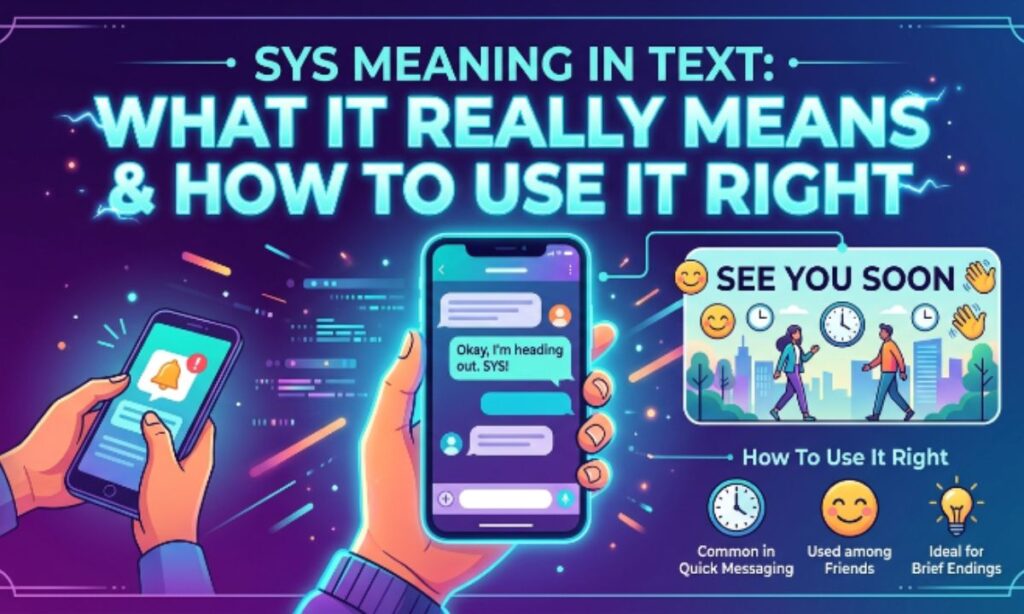
You’re scrolling through a chat, and there it is at the end of the message: SYS. No punctuation, no explanation, just three letters sitting there like they’re supposed to mean something obvious.
If you’ve never seen it before, it can feel like a secret code. The good news? It’s not complicated at all. Once you know what SYS stands for, you’ll start noticing it everywhere — in texts, DMs, Snapchat streaks, and group chats.
This guide breaks down exactly what SYS means, where it came from, how people actually use it today, and how it’s different from lookalike abbreviations like TTYL and TTYS.
What Does SYS Mean in Text?
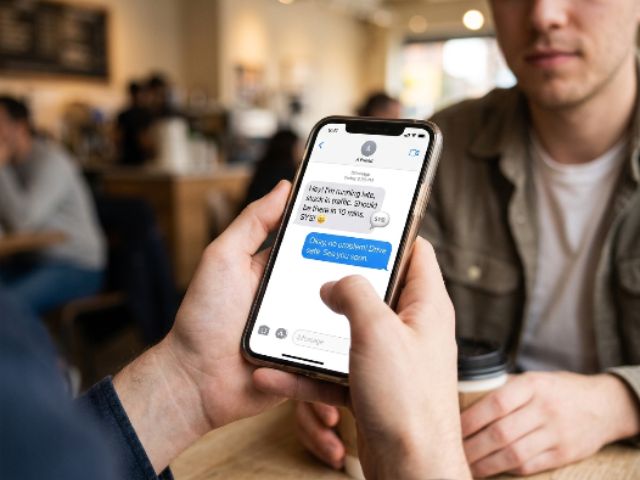
In almost every everyday texting situation, SYS stands for “See You Soon.”
It’s a short, friendly way to end a conversation when you know you’ll be talking to or meeting the other person again in the near future — usually within a few hours or days, not months.
Think of it as a warmer alternative to just typing “bye.” Instead of closing the door on the conversation, SYS keeps it open a little. It tells the other person: this isn’t goodbye forever, it’s just a pause.
Example:
Friend: Can’t wait for the game tonight! You: Same! Heading there straight after work. SYS!
That short reply carries a lot of emotional tone for just three letters. It confirms plans, sounds upbeat, and wraps up the exchange without any awkwardness.
Where Did SYS Come From?
Like most texting abbreviations, SYS grew out of a simple need: typing fast without losing meaning.
Early SMS plans charged by the character, and mobile keyboards were slow and clunky. Shortening common phrases into acronyms — LOL, BRB, TTYL, and eventually SYS — became second nature for anyone chatting regularly on a phone.
SYS specifically filled a small gap. TTYL (“talk to you later”) was vague about timing. People needed something that signaled a closer, more certain reunion — hence “See You Soon” getting its own shorthand.
As instant messaging moved from flip phones to smartphones, apps, and social platforms, SYS carried over naturally. It never became as globally recognized as LOL or OMG, but it settled into steady, casual use among people who value quick, warm sign-offs.
How SYS Is Actually Used in Real Conversations
SYS shows up most often at the end of a message or conversation thread, functioning as a sign-off rather than a mid-conversation reaction.
Here’s how it typically plays out:
- Confirming plans: “Pick you up at 7. SYS!”
- Wrapping up a call or chat: “Gotta run, talk later. SYS 👋”
- Responding to someone leaving: “Okay, have a good day! SYS”
- Ending a long text thread on a positive note: “This was fun, SYS soon 😊”
It’s most common in personal, informal messaging — texts between friends, family members, partners, or coworkers who already have a casual relationship. It’s rare in professional emails or formal communication, where it can come across as too breezy or unclear.
One small nuance worth remembering: SYS works best when there’s some expectation of meeting or talking again soon. If there’s no real plan in place, some people still use it loosely, simply as a friendly way to soften a goodbye.
SYS on Snapchat and Social Media: Does It Mean the Same Thing?
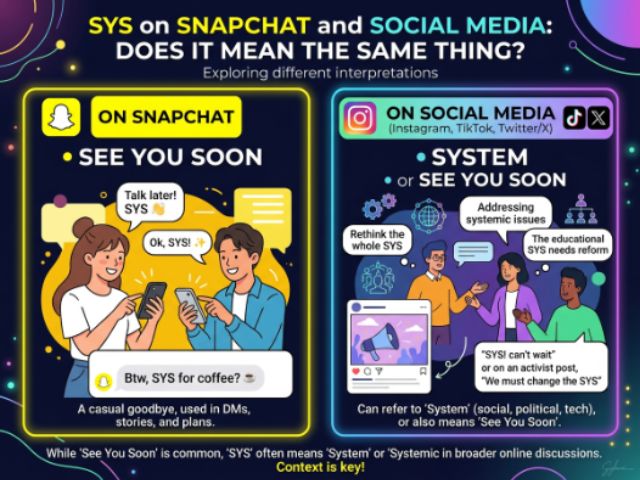
Mostly, yes — but with a few platform-specific twists.
On Snapchat, SYS is commonly used to wrap up a chat or a streak conversation, especially when two people plan to meet up in person soon. Because Snapchat conversations often revolve around daily life and real plans, “See You Soon” feels especially natural there.
On Instagram DMs, WhatsApp, and TikTok comments, SYS keeps the same core meaning but leans more casual — often just a friendly way to close out a fast-paced exchange rather than a literal promise of meeting up.
On Discord, things get a little more mixed. Because Discord servers often involve tech-related or gaming communities, SYS can occasionally refer to “system” messages instead of the texting slang version. Context is the deciding factor.
A quick platform breakdown:
| Platform | Most Common Meaning of SYS |
| Text messages (SMS) | See You Soon |
| Snapchat | See You Soon (often tied to real plans) |
| Instagram DMs | See You Soon (casual sign-off) |
| See You Soon | |
| TikTok comments/DMs | See You Soon |
| Discord | See You Soon, or “System” depending on server context |
SYS vs. Similar Slang: A Quick Comparison Table
SYS belongs to a small family of goodbye-style abbreviations. Here’s how it compares:
| Abbreviation | Full Meaning | Typical Vibe |
| SYS | See You Soon | Warm, implies a real, near-term reunion |
| TTYL | Talk To You Later | Casual, no specific timeline |
| TTYS | Talk To You Soon | Similar to SYS but focused on talking, not meeting |
| BRB | Be Right Back | Temporary pause, not a full goodbye |
| CYA | See Ya | Casual, lighter goodbye with less emotional weight |
| GTG | Got To Go | Abrupt exit, often due to being busy |
The biggest difference between SYS and most of these alternatives is the sense of certainty. TTYL and CYA can mean “whenever,” while SYS leans toward “actually pretty soon.”
Does SYS Have Any Other Meanings?
Yes — while “See You Soon” dominates casual texting, SYS isn’t a one-definition abbreviation. Context changes everything.
Other meanings you might run into:
- System — Common in IT, tech support, aviation, and engineering documentation, where “SYS” is shorthand in checklists, error logs, and manuals.
- Systolic — In medical settings, “Sys” refers to the top number in a blood pressure reading (for example, 120/80, where 120 is systolic).
- Sister/Sis — In some casual or regional texting styles, “sys” is used as a playful spelling variation of “sis,” referring to a close friend rather than a literal sibling.
- Shout Your Status — An occasional, less common usage seen on some social platforms, asking someone to publicly post an update about their mood or situation.
If you see SYS in a technical manual, medical chart, or IT conversation, it almost certainly isn’t slang. If it shows up at the end of a personal chat, “See You Soon” is the safe bet.
Read More: BFN Meaning in Text: What It Really Means and How to Use It Right
Common Mistakes People Make with SYS
Even simple abbreviations get misread sometimes. Here are the most common slip-ups:
- Assuming it’s always romantic. SYS is neutral — friends, family, and coworkers use it just as often as couples do.
- Using it when there’s no real plan. SYS implies some expectation of reconnecting soon; using it after a conversation that’s clearly ending for good can feel oddly disconnected.
- Sending it in professional emails. It reads as too casual for formal or workplace communication outside of quick internal chats.
- Ignoring context clues. Mistaking the technical or medical use of “sys” for the texting slang version (or vice versa) can cause real confusion.
- Overthinking a short reply. Sometimes SYS is just a quick, low-effort way to end a chat — not a hidden message.
When Should You Use SYS?
SYS works best when:
- You’re texting someone you’ll genuinely see or talk to again soon
- You want to end a conversation on a warm, upbeat note
- You’re confirming plans without writing a long message
- The setting is casual — friends, family, or informal chats with coworkers
It’s less appropriate when:
- You’re writing a formal email or professional message
- There’s no real expectation of reconnecting soon
- The conversation has emotional weight that a quick sign-off might undercut
SYS vs. TTYS: Which One Should You Use?
Because they look so similar, SYS and TTYS get mixed up constantly.
- SYS (See You Soon) focuses on seeing someone — often implying an in-person meetup or video call.
- TTYS (Talk To You Soon) focuses on talking, which could just mean texting or calling again soon, without necessarily meeting up.
If you’re confirming an in-person plan, SYS fits better. If you’re simply pausing an ongoing conversation with the intent to pick it back up, TTYS is the more accurate choice.
How SYS Fits Into the Bigger Picture of Texting Culture
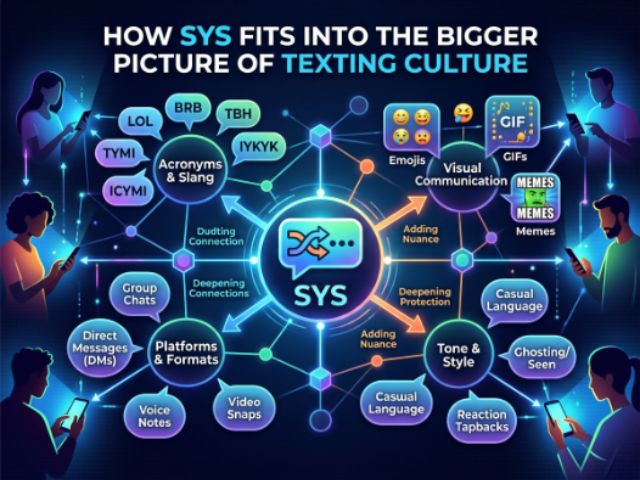
Texting slang exists to solve one problem: conveying tone and intent quickly, without sounding cold or robotic. Abbreviations like SYS, TTYL, IRL, and HMU all serve that same purpose — they let people stay expressive while typing less.
SYS specifically reflects something small but meaningful about how people communicate today. Ending a chat abruptly can feel dismissive, even if that’s not the intention. Adding “SYS” softens the exit and signals genuine interest in continuing the relationship, even after the screen goes dark.
It’s a tiny detail, but tiny details shape how digital conversations feel — friendly versus flat, warm versus transactional.
Real-Life Scenarios Where SYS Changes the Mood
Compare these two sign-offs:
Version A: “Okay, bye.” Version B: “Okay, SYS!”
Version A can read as neutral or even slightly cold, depending on the conversation. Version B keeps things light and reassures the other person that this isn’t a final goodbye.
Other real-life examples:
- After making weekend plans: “Sounds perfect, SYS Saturday!”
- Wrapping up a work chat with a colleague you’ll see tomorrow: “Cool, SYS at the meeting.”
- Ending a long vent session with a friend: “Thanks for listening. SYS this week 💕”
In each case, SYS acts like a small emotional cushion at the end of the message.
Sys Meaning in Text From a Girl
When a girl sends “SYS,” it almost always carries the same core meaning as it would from anyone else: See You Soon. It’s typically friendly and casual, signaling she’s looking forward to talking or meeting up again — not necessarily anything romantic. As always, tone and context (previous messages, emojis, relationship history) matter more than the abbreviation itself.
Frequently Asked Questions
What does SYS mean in a text message?
SYS most commonly means “See You Soon,” used as a friendly way to end a conversation.
Does SYS always mean “See You Soon”?
No — in technical, medical, or IT contexts, SYS can mean “System” or “Systolic” instead.
Is SYS used the same way on Snapchat?
Yes, on Snapchat SYS usually means “See You Soon,” often tied to real, upcoming plans to meet.
Is SYS considered flirty or romantic?
Not inherently. It’s a neutral, friendly abbreviation used by friends, family, and couples alike.
What’s the difference between SYS and TTYS?
SYS implies seeing someone soon, while TTYS implies talking again soon, without necessarily meeting up.
Is it okay to use SYS in professional messages?
It’s best avoided in formal emails or workplace communication, as it can come across as too casual.
Does SYS ever sound rude?
Not typically, but timing matters — using it right after a serious or emotional conversation can feel abrupt.
Conclusion
SYS may only be three letters, but it carries real conversational weight. In the vast majority of everyday texting — whether on SMS, Snapchat, WhatsApp, or Instagram — it simply means “See You Soon,” a warm, low-effort way to close a chat without sounding cold.
Outside casual texting, context can shift its meaning entirely, turning it into shorthand for “system,” “systolic,” or even “sis,” depending on where you see it.
The next time SYS shows up at the end of a message, you’ll know exactly what it means — and maybe even use it yourself the next time you want to end a conversation on a genuinely warm note.
Leave a Reply