Seaver Meaning | Definition, Uses, and Common Contexts Explained

If you’ve stumbled across the word “seaver” in a text message, a meme caption, or maybe even as someone’s last name, you’re probably wondering what it actually means. The truth is, “seaver” isn’t a single, simple word with one fixed definition. It shows up in several very different contexts — as a surname with deep Anglo-Saxon roots, as internet slang that’s picked up steam on social media, and even as a piece of pop culture trivia tied to baseball legend Tom Seaver.
This guide breaks down every meaning of “seaver,” explains how context changes what the word implies, and shows you exactly when (and when not) to use it. Whether you’re here out of curiosity, doing research for a name, or trying to decode a text from a friend, you’ll find a clear answer below.
What Does Seaver Mean?
At its core, “seaver” has three main identities:
- A surname with English and Anglo-Saxon origins, often linked to meanings like “fierce stronghold” or “sea warrior.”
- Internet and social slang, where it’s used casually to describe something impressive, funny, or a bit chaotic.
- A proper noun tied to pop culture, most famously Major League Baseball Hall of Famer Tom Seaver and the fictional Seaver family from the 1980s sitcom Growing Pains.
There’s no single “correct” definition — the right one depends entirely on where and how you encounter the word.
The Main Meaning of Seaver

The most historically grounded meaning of “seaver” comes from its use as a surname. Name-origin researchers generally trace it back to Old English and Anglo-Saxon roots, with interpretations that lean toward strength and protection — ideas like a stronghold or a defender tied to the sea. This ties into a broader pattern in English surnames, where occupational or geographic descriptors (someone who lived near a fort, a coastline, or a defensive structure) eventually became family names passed down through generations.
According to genealogical records, Seaver is a relatively uncommon surname in the United States today, appearing far down the list of common family names. That rarity is actually part of why people search for its meaning — uncommon names naturally spark more curiosity than everyday ones like Smith or Johnson.
Seaver Meaning in English
In standard English dictionaries, “seaver” isn’t listed as a common noun or verb — you won’t find it defined the way you’d find “brave” or “quick.” Instead, mainstream dictionary entries for “Seaver” almost always point to a proper noun: most commonly, baseball pitcher Tom Seaver, nicknamed “Tom Terrific,” who played for the New York Mets and became a Hall of Fame legend.
So if you’re asking “what does seaver mean in English,” the honest answer is:
- It’s not a standard dictionary word with an official definition.
- It functions primarily as a proper noun (a surname or family name).
- Any “meaning” beyond that comes from informal or slang usage, which varies by community.
This is an important distinction. Unlike words such as “happy” or “run,” which have fixed dictionary meanings, “seaver” is defined more by usage and context than by formal linguistic rules.
Are There Alternative Meanings?

Yes — and this is where things get interesting. Because “seaver” isn’t a fixed dictionary term, different online communities have shaped their own versions of what it means. Here’s a breakdown:
| Context | Common Meaning | Tone |
| Baby name / genealogy sites | “Fierce stronghold” or “sea warrior” | Formal, respectful |
| Slang / meme culture | Someone or something impressively cool, in a laid-back way | Playful, casual |
| Older internet slang (forums) | Sometimes used negatively, describing someone seen as awkward or an outsider | Negative, informal |
| Pop culture reference | Refers to Tom Seaver or the Seaver family from Growing Pains | Neutral, informational |
It’s worth noting that some older slang dictionary entries use “seaver” in a harsher, mocking sense — similar to calling someone socially awkward or an outcast. However, more recent usage (especially from 2024–2026) trends toward a lighter, complimentary meaning, where “seaver” describes something impressive or amusing rather than something negative. Language evolves fast online, and “seaver” is a good example of a word whose tone has softened over time.
How Context Changes the Meaning
Context is everything with a word like this. The exact same four letters can mean something completely different depending on where you see them.
- In a genealogy or baby-naming context → It refers to heritage, strength, and ancestral meaning.
- In a text message or group chat → It’s almost always slang, usually positive or joking.
- In a sports or entertainment article → It’s referring to a real person (Tom Seaver) or a TV character.
- In older forum posts or Urban Dictionary-style entries → It may carry a mocking or negative connotation.
Because of this range, it’s smart to look at the surrounding sentence before assuming what someone means. A message like “that was so seaver” reads very differently from “he’s such a seaver,” even though both use the same word.
Real Conversation Examples
Seeing the word in action helps clarify how it’s actually used day to day. Here are some realistic examples across different contexts:
Slang / casual use:
- “Dude, that trick shot was seaver.”
- “She totally seaver’d that presentation — didn’t even need notes.”
- “That meme is peak seaver energy.”
Name / identity use:
- “We named our son Seaver after his great-grandfather.”
- “Seaver is such a rare last name — I’ve only met one other family with it.”
Pop culture use:
- “Did you know Tom Seaver pitched a no-hitter in 1978?”
- “The Seaver family from Growing Pains was basically the definition of a wholesome ’80s sitcom household.”
Tone and Emotional Meaning
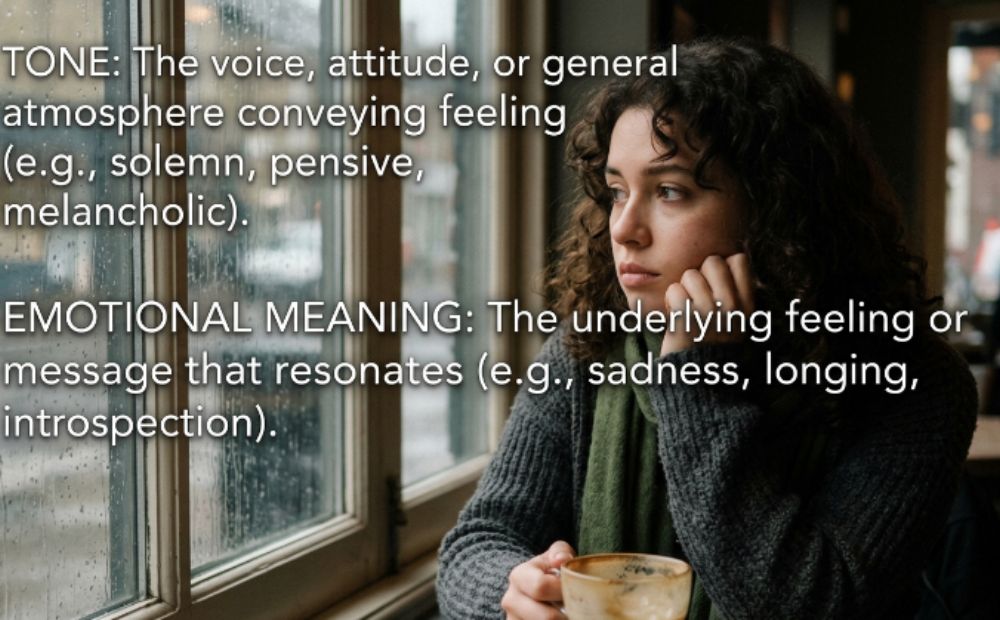
The emotional weight behind “seaver” depends heavily on delivery and context:
- Positive tone: Used as a compliment for something impressive, funny, or unexpectedly cool.
- Playful/teasing tone: Used among friends as lighthearted banter, similar to calling someone a “legend” or “icon” — no real insult intended.
- Negative tone (rare, older usage): In some older slang dictionaries, it implied social awkwardness or being an outsider. This usage has largely faded.
- Neutral tone: When referring to the surname or Tom Seaver, there’s no emotional charge at all — it’s simply factual.
If someone calls you “seaver” in a casual chat today, it’s overwhelmingly likely to be a compliment or a joke, not an insult — but tone and relationship context still matter.
Read More: LTMS Portal Meaning Explained: Your Complete Guide to Hassle-Free LTO Services
How to Reply When Someone Mentions Seaver
Not sure how to respond when this word pops up in conversation? Here’s a quick guide:
| Situation | Suggested Reply |
| Someone calls your move “seaver” as a compliment | “Haha thanks, I try!” or “Seaver mode: activated 🔥” |
| Someone uses it teasingly | Play along — respond with humor, don’t take it too seriously |
| Someone asks about the name Seaver | Share what you know about its Anglo-Saxon roots or that it’s a surname |
| Someone references Tom Seaver | Engage with the baseball trivia — it’s a factual, safe topic |
If you’re ever unsure of the intent, it’s completely fine to just ask, “wait, what do you mean by seaver?” Slang terms shift constantly, and clarifying is always better than guessing.
When to Use the Term
Use “seaver” when:
- You’re discussing someone’s surname or family history.
- You’re referencing Tom Seaver or baseball history.
- You’re casually complimenting a friend in a slang-heavy conversation, and you know your audience will understand the reference.
- You’re writing about internet slang or meme culture.
When to Avoid the Term
Avoid using “seaver” when:
- You’re writing formal or professional content — it’s not a recognized standard English word.
- You’re unsure of your audience’s familiarity with the slang; it can come across as confusing rather than funny.
- You’re using it based on the older, negative slang definition — this usage is outdated and can be seen as mean-spirited.
- You want to be taken literally, since the ambiguity of the word can create misunderstandings.
Common Mistakes
Here are a few mix-ups people commonly make with this word:
- Assuming it’s always negative. Many people find older slang entries first and assume the word is an insult, when current usage is largely positive.
- Confusing it with “savior” or “saver.” Because of the similar spelling, some assume “seaver” is just a typo or alternate spelling — it isn’t, though the resemblance likely influenced some slang usage.
- Treating it as a formal dictionary word. It’s not found in standard dictionaries as a common noun, so using it in formal writing can look like an error.
- Ignoring regional/community differences. Slang meaning can vary between platforms (TikTok vs. older forums), so context always matters.
Similar Terms People May Confuse
| Term | Meaning | How It Differs from Seaver |
| Savior | A person who saves or rescues someone | Formal English word with a clear dictionary meaning |
| Saver | Someone who saves money or resources | Standard English word, unrelated slang |
| Severe | Serious, harsh, or intense | Possible origin influence, but different meaning entirely |
| Seavers (plural slang) | Sometimes used to describe a group with the slang trait | Informal extension of the slang meaning |
| Sever | To cut off or separate | Unrelated in meaning, similar in spelling |
Origin and Popularity

The surname Seaver has English roots, tracing back through Anglo-Saxon naming traditions where surnames often described a person’s role, location, or defining trait — in this case, ideas connected to strength, defense, or the sea. Genealogical data shows it remains a fairly rare surname in the U.S. today.
The slang usage of “seaver” is much more recent and murkier in origin. Some online commentary suggests it emerged as a playful variation of “savior” or “saver,” picking up steam through gaming and meme communities before spreading to broader social media use. Its popularity has fluctuated — older, harsher slang definitions circulated on platforms like Urban Dictionary years ago, while newer, friendlier usage has emerged more recently as memes and casual online banter reshaped its tone.
Meanwhile, the name’s biggest boost in public recognition almost certainly comes from Tom Seaver, one of the most celebrated pitchers in MLB history, and from the fictional Seaver family in the classic sitcom Growing Pains — both of which keep the word circulating in everyday cultural references.
Quick Recap
- “Seaver” is primarily a surname with Anglo-Saxon roots tied to meanings like “fierce stronghold” or “sea warrior.”
- It is not a standard English dictionary word.
- In slang, it’s mostly used today as a playful compliment for something impressive or funny.
- Older slang usage carried a more negative, mocking tone, though this has largely faded.
- Context — tone, platform, and relationship — determines the real meaning every time.
- It’s also tied to real-world pop culture, especially Tom Seaver and Growing Pains.
Frequently Asked Questions
What does “seaver” mean in slang?
In modern slang, “seaver” typically describes something impressive, funny, or effortlessly cool, often used as a lighthearted compliment.
Is “seaver” a real dictionary word?
No, it’s primarily a proper noun (a surname), not a standard word listed with its own definition in mainstream dictionaries.
Where does the name Seaver come from?
It has English and Anglo-Saxon origins, often interpreted as meaning “fierce stronghold” or “sea warrior.”
Is calling someone “seaver” an insult?
Usually not today — it’s mostly used as a playful compliment, though older slang usage was occasionally negative.
Who is the most famous person named Seaver?
Tom Seaver, the Hall of Fame MLB pitcher nicknamed “Tom Terrific,” is the most widely recognized person with this name.
Is Seaver a common last name?
No, it’s a relatively rare surname in the United States, which is part of why people frequently search for its meaning.
Can “seaver” be used as a verb?
Informally, yes — some slang usage turns it into a verb (e.g., “seavered”), though this isn’t standardized or widely recognized.
Final Thoughts
“Seaver” is one of those words that proves meaning isn’t always fixed — it shifts depending on who’s using it, where, and why. As a surname, it carries a strong, historic identity rooted in English tradition. As internet slang, it’s a flexible, mostly lighthearted term that reflects how quickly online language evolves. And as a piece of pop culture, it connects to real figures like Tom Seaver, giving the word an extra layer of recognizability.
The next time you come across “seaver” in a conversation, a name, or a caption, you’ll be able to read the context and know exactly what’s being said — and maybe even use the term yourself with confidence.
Leave a Reply