Tattoo Meanings: The Complete Guide to What Your Ink Really Says
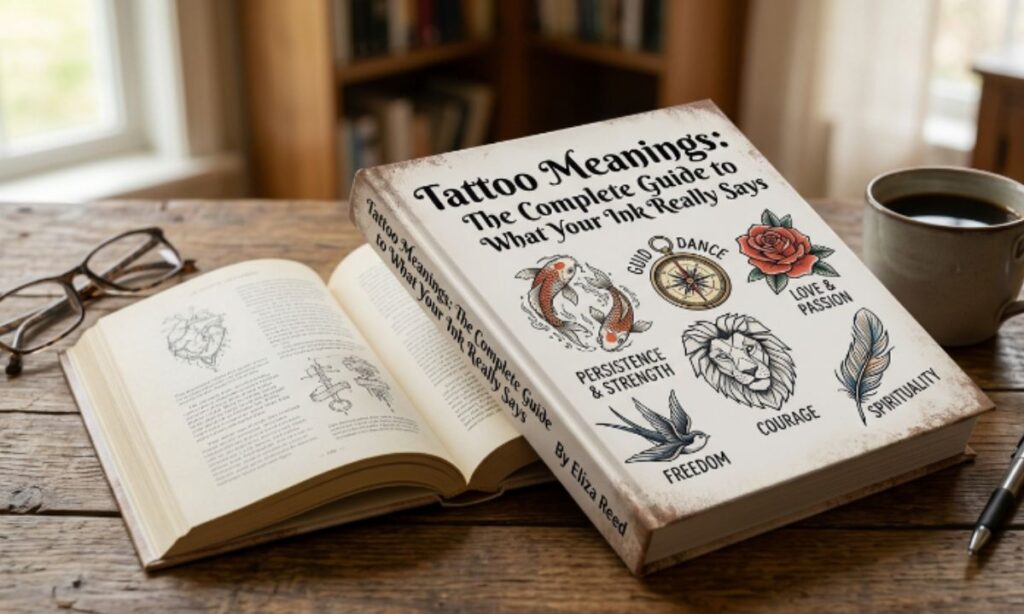
Getting a tattoo is one of the few decisions in life that’s meant to outlast the moment you made it. Long after the trend fades, the playlist changes, or the relationship ends, the ink stays. That’s exactly why so many people pause before their appointment and ask the same question: what does this actually mean?
This guide breaks down tattoo symbolism the way it should be broken down — by category, by culture, and by the real reasons people choose the designs they do. Whether you’re picking your first piece or your fifteenth, you’ll find practical, honest information here, not just a list of pretty pictures.
Why Tattoo Meanings Matter More Than You Think
A tattoo is a permanent decision made in a temporary state of mind. That’s not a criticism — it’s just the reality of the process. You see a design, you feel something, and you want it on your skin. But feeling and meaning aren’t always the same thing.
Understanding tattoo meanings matters for three practical reasons:
- You’ll be asked about it — a lot. Every tattoo eventually gets the question “what does that mean?” Having an answer you actually believe in feels very different from making one up on the spot.
- Symbols carry cultural weight. Some designs have religious, tribal, or historical significance that isn’t yours to borrow casually. Knowing the background helps you avoid an image that offends the very culture you admired.
- Meaning ages better than trend. A design chosen because it was popular on social media in a given year rarely holds up emotionally a decade later. A design chosen because it represents something true about you almost always does.
None of this means every tattoo needs a deep, tortured backstory. Plenty of people get tattoos purely because they love the artwork, and that’s a completely valid reason. But knowing the symbolism behind a design — even one you’re getting “just because it looks cool” — gives you the full picture before it becomes permanent.
Animal Ink: When Nature Becomes Your Narrator
Animal tattoos are among the oldest tattoo traditions in human history, appearing in tribal cultures, sailor tattoos, and modern fine-line work alike. Each animal tends to carry a fairly consistent symbolic thread across cultures, even though the specific interpretation can shift slightly by region.
| Animal | Common Meaning | Popular With |
| Wolf | Loyalty, family, instinct, protection | Those who value pack/family bonds |
| Lion | Courage, leadership, strength, pride | Leaders, protectors, Leo zodiac fans |
| Snake | Transformation, rebirth, temptation, healing | Those going through major life change |
| Owl | Wisdom, intuition, seeing what others miss | Thinkers, night owls, mystics |
| Koi Fish | Perseverance, ambition, overcoming adversity | Those who’ve fought hard for success |
| Butterfly | Transformation, freedom, the soul | Survivors of hardship, new beginnings |
| Elephant | Memory, family, strength, good luck | Family-oriented individuals |
| Phoenix | Rebirth, resilience, rising from destruction | Anyone who has “started over” |
| Bear | Strength, protection, grounding, motherhood | Protectors of family or community |
| Fox | Cunning, adaptability, cleverness | Independent thinkers |
Wolves and lions dominate the “strength” category, but they’re not interchangeable. A wolf leans toward loyalty and pack mentality — it says “I move with my people.” A lion leans toward individual courage and leadership — it says “I lead, even when it’s hard.”
Snakes are frequently misunderstood. In Western pop culture they’re linked to danger or deceit, but in tattoo symbolism — and in many older traditions — the snake is primarily about shedding the old self. Because snakes literally shed their skin, the image has become shorthand for transformation, healing, and starting over.
Koi fish carry one of the most specific origin stories in animal tattoo symbolism. In East Asian folklore, a koi that swims upstream and leaps a waterfall transforms into a dragon. That’s why koi tattoos are so closely tied to perseverance — the design literally illustrates struggle turning into strength.
Flowers Aren’t Just Pretty: Decoding Petal Politics
Flower tattoos are often dismissed as purely decorative, but flower symbolism is one of the richest and most specific categories in tattoo art. The type of flower, its color, and even the number of petals can shift the meaning entirely.
Common flower meanings:
- Rose : Love, passion, balance of beauty and pain (the thorns matter as much as the petals)
- Lotus : Spiritual awakening, purity rising from difficulty, rebirth
- Peony : Honor, romance, prosperity, good fortune
- Cherry Blossom : The beauty of impermanence, mindfulness, fleeting life
- Sunflower : Loyalty, adoration, positivity, following the light
- Chrysanthemum : In Japanese tattoo tradition, longevity and joy; in some Western contexts, remembrance
- Orchid : Refinement, luxury, strength through delicacy
- Daisy : Innocence, new beginnings, simplicity
- Poppy : Remembrance (especially of soldiers), sleep, eternal rest for the departed
Color matters here as much as species. A red rose means something different from a black rose or a white rose:
| Rose Color | Symbolic Shift |
| Red | Romantic love, passion |
| Black | Loss, mourning, the end of a chapter |
| White | Purity, new beginnings, remembrance |
| Yellow | Friendship, joy |
The lotus deserves special mention because its symbolism is almost entirely about context, not appearance. A lotus grows through mud to bloom clean above the waterline, which is why it’s become a universal image for people who feel they’ve grown through something difficult — grief, addiction recovery, mental health struggles — without letting it define them.
Geometry and Symbols: When Math Meets Mysticism
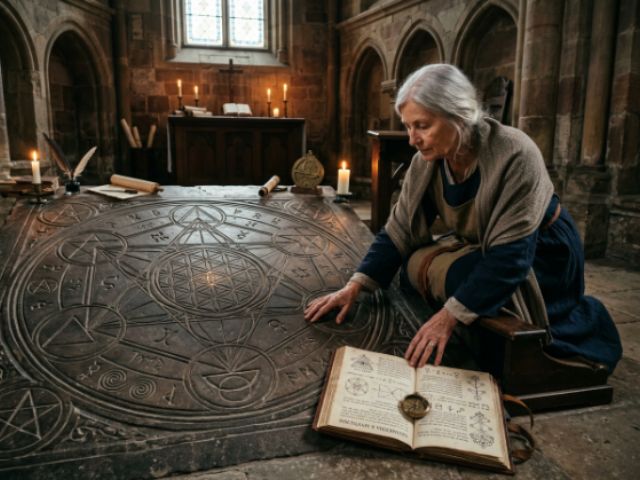
Geometric tattoos have exploded in popularity over the last decade, partly because of the fine-line tattoo trend, and partly because geometric shapes carry meaning without needing a narrative image at all.
Popular geometric and symbolic designs:
- Triangle : Depending on orientation, represents balance, strength, the elements (fire/water), or mind-body-spirit
- Circle : Wholeness, unity, the eternal cycle of life
- Sacred Geometry / Flower of Life : Interconnectedness of all living things, spiritual balance
- Mandala : Harmony, balance, meditative focus (rooted in Hindu and Buddhist tradition)
- Infinity Symbol : Endless love, timelessness, a bond that doesn’t break
- Compass : Direction, guidance, finding your way after being lost
- Triquetra (Trinity Knot) : Unity of three forces — commonly love, life, and eternity, or the Christian Holy Trinity
- Geometric Wolf/Animal Line Art : Combines animal symbolism with the structure and order geometry represents
Geometric tattoos appeal strongly to people who want meaning without an obvious, literal image. A mandala or sacred geometry piece can hold enormous personal significance while looking, to a stranger, like pure design. That dual nature — private meaning, public minimalism — is a big part of why this category keeps growing.
Words and Numbers: When Language Becomes Skin
Text tattoos are deceptively simple. A single word, a date, or a string of numbers can carry more direct meaning than an entire sleeve of imagery — but they also come with unique risks (translation errors, awkward placement, fonts that age badly).
Common text and number tattoo categories:
- Names : Partners, children, parents, or pets; among the most requested tattoos worldwide, and also among the most regretted if the relationship ends
- Dates : Birthdays, anniversaries, dates of loss; a quiet, specific way to mark time
- Roman Numerals : Often used for dates because the numeral format feels more “designed” than plain digits
- Coordinates : A specific place — a hometown, a place someone passed away, where a couple met
- Single Words : “Breathe,” “strength,” “faith” — chosen as daily reminders rather than decorations
- Semicolon : A grammatical mark repurposed as a mental health symbol; it signals “my story continues” and has become closely associated with suicide prevention and depression awareness
- Foreign Language Phrases : Popular but risky; always verify translation and cultural context with a native speaker, not just a translation app
A quick caution on lettering tattoos: poor translations are one of the most common tattoo regrets. A phrase that seems poetic in English can become nonsensical — or accidentally offensive — when translated literally into another language. If a phrase matters that much to you, get it checked by a fluent speaker before it’s permanent.
Sacred Symbols: Spirituality in Permanent Form
Religious and spiritual tattoos are some of the oldest tattoo traditions on earth, and they carry weight that purely decorative tattoos don’t. Getting these right — and getting them respectfully — matters.
Christianity
- Cross : Faith, sacrifice, salvation. Placement carries meaning: a cross over the heart often signals devotion, while one on the back can symbolize carrying a burden.
- Rosary : Prayer, protection, devotion, often wrapped around the wrist or ankle
- Angel : Guidance, protection, or remembrance of a loved one
Buddhism and Hinduism
- Lotus : Spiritual awakening and purity (see above)
- Om Symbol (ॐ) : Universal sound, consciousness, meditation practice
- Dharma Wheel : The path to enlightenment, Buddhist teachings
- Ganesha : Removal of obstacles, wisdom, new beginnings
A note of respect: some religious communities consider certain sacred images inappropriate for casual or decorative use — for example, some Buddhists view Buddha imagery as disrespectful when placed on lower parts of the body. If a symbol comes from a religion or culture you don’t practice, a little research (or a conversation with someone from that tradition) goes a long way before you commit.
Norse and Celtic Symbols
- Valknut : Warrior’s death, Odin, fate
- Triquetra : Unity of three forces, often love/life/eternity
- Celtic Knot : Interconnectedness, no beginning or end, eternal bonds
Modern Symbols: Celestial Bodies and Nature
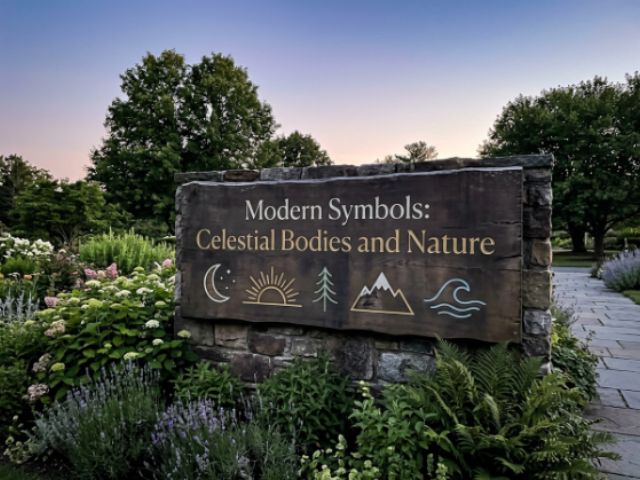
Beyond religion and animals, an entire category of tattoos draws from the sky, the seasons, and the natural world. These symbols tend to feel universal because they’re not tied to one specific culture.
- Sun : Vitality, life force, energy, masculine energy (Yang) in Eastern symbolism
- Moon : Intuition, femininity, cycles, change (Yin in Eastern symbolism)
- Stars : Guidance, hope, ambition; a constellation can represent a specific memory or birth chart
- Mountains : Overcoming obstacles, stability, personal growth
- Waves/Ocean : Change, emotion, the pull of something bigger than yourself
- Tree of Life : Growth, family roots, connection between earth and sky
- Feather : Freedom, spiritual growth, honoring a loss (especially in Native traditions, though this symbol should be used respectfully given its Indigenous significance)
Sun and moon tattoos are frequently paired — often as matching tattoos between two people — to represent balance and opposites that complete each other rather than compete.
Gender and Meaning: How Preferences Diverge (and Converge)
Tattoo symbolism itself doesn’t have a gender. A lion means the same thing whether it’s inked on a man or a woman. What does differ, according to consistent trends across studios and surveys, is which designs each group tends to gravitate toward — and even that is shifting fast as tattoo culture becomes more fluid.
Read More: MBN Meaning in Text (2026): What It Means & How to Use It
Tattoo meanings for men
Historically, tattoo trends among men have leaned toward symbols of strength, resilience, and legacy:
- Bold animal imagery : lions, wolves, bears — tied to protection and leadership
- Nautical and military symbols : anchors, swallows, eagles — rooted in old-school sailor tattoo tradition
- Family-oriented pieces : clocks, portraits, names of children — often placed on the forearm or chest
- Religious and mythological imagery : crosses, Norse symbols, Greek gods
- Script tattoos : mottos, mantras, or single words tied to discipline or ambition
Tattoo meanings for females
Trends among women have historically leaned toward symbolism tied to growth, connection, and transformation:
- Florals : roses, peonies, wildflower clusters, often fine-line and delicate
- Celestial imagery : moons, stars, constellations
- Butterflies and birds : transformation, freedom, new chapters
- Fine-line minimalism : small symbols, single words, delicate linework
- Matriarchal or generational tattoos : designs honoring mothers, grandmothers, or daughters
Where the two converge
The line between “masculine” and “feminine” tattoo choices has blurred significantly. Fine-line minimalist tattoos, geometric designs, and meaningful single-word tattoos are now popular across genders. Sun and moon tattoos, semicolon tattoos, and memorial pieces show almost no gender skew at all — they’re chosen for what they mean, not who “typically” gets them.
| Category | Traditionally Leaned Male | Traditionally Leaned Female | Now Common to Both |
| Animals | Lions, wolves, eagles | Butterflies, birds | Koi, snakes, owls |
| Style | Bold, blackwork | Fine-line, delicate | Both styles, either gender |
| Symbols | Anchors, swords | Florals, moons | Semicolons, geometric shapes |
| Placement | Forearm, chest, back | Wrist, ribs, ankle | Anywhere — placement is personal now |
The bigger takeaway: choose based on what the symbol means to you, not what’s traditionally expected of your gender. Tattoo culture in 2026 is far less rigid about this than it was even ten years ago.
Symbol Tattoos With Secret Meanings
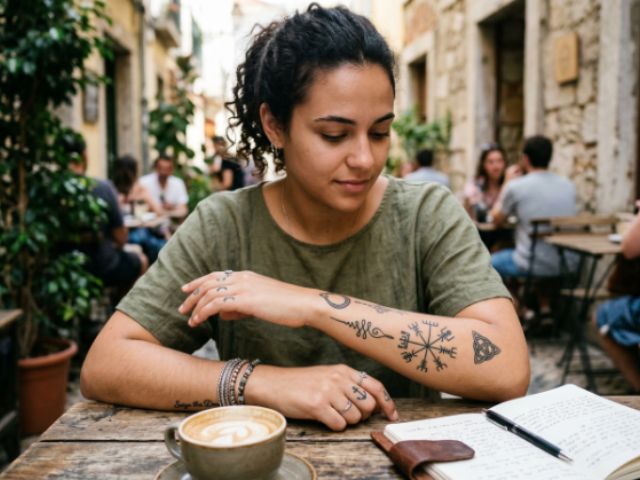
Some of the most interesting tattoos aren’t the obvious ones — they’re the small, coded symbols that mean something specific to a subculture, community, or personal experience, while looking unremarkable to everyone else.
- Three Dots (Mia Ombra) or “My Crazy Life” : Associated in some contexts with a rebellious or troubled past; meaning varies significantly by region and community, so context matters
- Semicolon : Mental health survival, “the sentence isn’t over” (covered above)
- Anchor with No Ship in Sight : Historically used to signal a completed voyage or crossing the Atlantic
- Five Dots (Quincunx) : In some prison tattoo traditions, represents time served; unrelated meanings exist in other contexts, so this symbol carries real ambiguity
- Butterfly with a Specific Number of Wings/Dots : Sometimes used quietly to represent a specific loss or number of loved ones
- Small Roman Numeral Strings : Often a coded birthday, anniversary, or sobriety date
- Compass Rose Hidden in Linework : A subtle nod to feeling lost and finding direction again
- Single Bird in Flight : Freedom after a difficult period, frequently chosen quietly after a breakup, loss, or recovery
The appeal of “secret meaning” tattoos is that they let the wearer carry something deeply personal without broadcasting it. If someone doesn’t ask, you never have to explain. If they do ask, you get to decide how much of the story to share.
The Mistakes You’ll Want to Avoid
Even well-researched tattoos can go wrong. Here are the most common regrets people report, based on what studios and tattoo communities consistently flag:
- Choosing a symbol purely because it’s trending. Trend-driven tattoos are the ones most likely to feel dated — or meaningless — five years later.
- Skipping translation verification on foreign-language text. A mistranslated word is one of the most common and most avoidable tattoo regrets.
- Getting a partner’s name too early in the relationship. This is a classic regret across nearly every tattoo forum and studio survey — it’s not that it can’t work, it’s that timing matters.
- Borrowing a sacred cultural symbol without understanding it. Symbols tied to specific religions or Indigenous traditions can carry meaning far beyond what a quick image search shows you.
- Picking a design based only on the picture, not the placement. A detailed piece that looks great as a flat image can distort or blur badly on a curved or thin area of skin.
- Rushing the artist selection. A meaningful design deserves an artist who specializes in that specific style — fine-line, blackwork, realism, or traditional.
- Not thinking about how the tattoo will age. Detailed shading and tiny linework both spread and fade differently over time; ask your artist directly how the design will hold up in ten years.
Your Roadmap to Choosing Meaningful Ink
If you want a tattoo that still means something to you decades from now, a little structure helps.
- Start with the “why,” not the “what.” Before picking an image, identify the actual thing you want to honor — a person, a value, a turning point, a belief.
- Research the symbol’s full history. Look past the first search result. Understand cultural origin, common variations, and any potential sensitivities.
- Sit with the idea for at least a few weeks. If it still feels right a month later, that’s a good sign it’s not just an impulse.
- Think about placement and visibility. Consider your workplace, your lifestyle, and whether you want the design easily seen or easily hidden.
- Choose meaning over trend. A design tied to your own story will always outlast a design tied to what’s popular right now.
- Find the right artist for the style. A geometric mandala and a realistic portrait require very different technical skills — match the artist to the design.
- Ask your artist about long-term aging. A good artist will tell you honestly how fine details, color, and placement will hold up over the years.
The Truth About Personal Meaning
Here’s the part most guides skip: you don’t need a symbol to have a universally recognized meaning for it to matter.
Plenty of the most cherished tattoos in the world aren’t ancient symbols with centuries of documented history — they’re a shape a grandmother used to draw, a doodle from a childhood notebook, a private joke between best friends, or simply a design the wearer found beautiful. Tattoo symbolism guides (including this one) are useful starting points, not rulebooks.
The reverse is also true — a symbol with a well-documented meaning, like a lotus or a phoenix, becomes genuinely powerful only when it connects to your actual experience. Two people can get the exact same rose tattoo and mean two completely different things by it. That’s not a flaw in tattoo culture — it’s the entire point of it.
Your Ink, Your Story—Now What?
At this point, you understand the symbolism, the risks, and the process. The next step is the most personal one: deciding what your own story actually is.
Before you book an appointment, ask yourself honestly:
- What do I want to remember every time I see this?
- Would I still want this if the current trend disappeared tomorrow?
- Am I choosing this symbol because it’s meaningful to me, or because it looked good on someone else?
- Have I researched the cultural or religious weight of this image?
- Does the placement match how I want to live with this tattoo — visible or private?
A tattoo doesn’t need to answer every question in your life. It just needs to be honest about the moment, the value, or the person it represents. Get that part right, and the ink will keep its meaning long after the appointment is over.
Frequently Asked Questions
What tattoo symbolizes new beginnings?
Butterflies, lotus flowers, and phoenixes are the most common symbols for new beginnings, since all three represent transformation through difficulty.
Is it bad luck to get a tattoo with someone else’s name?
It’s not “bad luck,” but name tattoos of partners are among the most commonly regretted tattoos if the relationship changes, so many people wait for a long-term commitment before getting one.
What does a semicolon tattoo mean?
A semicolon tattoo represents mental health awareness and survival, signaling that the wearer’s story continues rather than ends.
Are matching tattoos a good idea for couples?
Matching tattoos can be meaningful, but they work best when each symbol also holds individual meaning, so it doesn’t lose significance if the relationship ends.
How do I know if a symbol is culturally appropriate for me to get?
Research the symbol’s origin and, if possible, ask someone from that culture or religion directly; if a symbol is sacred or ceremonial, it’s usually best avoided unless it’s part of your own heritage or practice.
Do tattoo meanings differ between men and women?
The symbolism itself doesn’t change by gender, but trend data shows men have historically leaned toward bold animal and nautical imagery while women have leaned toward florals and fine-line designs — though this gap is narrowing significantly.
What’s the safest tattoo to get if I want it to stay meaningful for life?
Symbols tied to your own values, relationships, or personal milestones — rather than trends — tend to hold their meaning best over time.
Can a tattoo have more than one meaning?
Yes, most tattoo symbols carry several layered meanings, and the wearer often emphasizes the interpretation that’s most personally relevant to them.
Conclusion
Tattoo meanings sit at an interesting crossroads between ancient symbolism and deeply personal storytelling. A rose can represent romantic love or the pain that comes with it. A lotus can mark a spiritual practice or simply a year you fought hard to get through. A single word on your wrist can be a mantra you read every morning without saying it out loud.
The research matters — knowing a symbol’s cultural roots, its common interpretations, and its potential sensitivities will make you a more thoughtful collector of ink. But at the end of the day, the meaning that counts most is the one you bring to the piece yourself. Choose the symbol, understand its history, respect its origins, and then let it become something that’s genuinely, permanently yours.
Leave a Reply