Unbanned G+ Explained: Why This Unblocked Gaming Trend Is Growing So Fast (2026)
If you’ve spent any time on a school Chromebook or a work laptop lately, you’ve probably run into search terms like “Unbanned G+,” “unblocked games g+,” or “unbanned gplus.” It’s one of those phrases that seems to be everywhere in 2026 — trending on forums, whispered between classmates, and topping search suggestions — yet almost nobody can explain exactly what it is in one sentence.
This guide breaks it all down in plain language: what Unbanned G+ actually means, where the trend came from, how these sites work, whether they’re safe, and what alternatives exist. No jargon, no fluff — just the facts you’re actually searching for.
Bio Table
| Attribute | Details |
| Name/Term | Unbanned G+ (also written as Unbanned Gplus, Unblocked Games G+) |
| Category | Browser-based unblocked gaming platform/trend |
| Technology Used | HTML5, JavaScript, WebGL |
| Popular Since | Early 2020s, surged again in 2025–2026 |
| Main Audience | Students, office workers, casual gamers |
| Cost | Free to play |
| Installation Required | None |
| Common Access Points | School networks, Chromebooks, restricted work Wi-Fi |
| Related Confusion | Often mistaken for Google+ (Google’s old social network) |
| Safety Level | Varies by site — some safe, some risky |
What “Unbanned G+” Actually Means
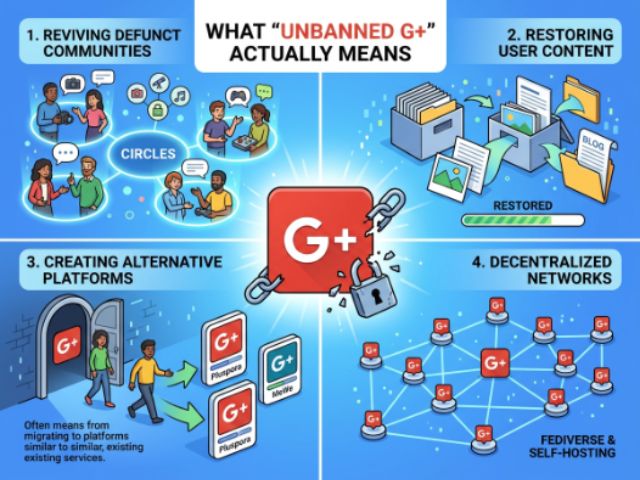
Let’s clear up the biggest misconception first: Unbanned G+ has nothing to do with Google+, the social media platform Google shut down years ago. The “G+” in the name is coincidental branding, not a reference to that defunct service.
In reality, Unbanned G+ is an umbrella term for a category of websites offering unblocked browser games — small, lightweight games that run instantly in a web browser without needing to be downloaded or installed. These sites are built specifically to work on networks that usually restrict access to gaming websites, such as:
- School and classroom networks
- Corporate or office Wi-Fi
- Public library computers
- Locked-down Chromebooks
The name has become something of a catch-all brand. Multiple independent websites use variations like “Unbanned Gplus,” “Unblocked Games G+,” or “Unbanned Games G Plus,” but they generally offer the same type of experience: a simple homepage with a searchable library of free games organized by category.
The Origin Story: Where This Trend Actually Came From
The unblocked games movement isn’t new — it’s actually been around since the Flash gaming era of the mid-2000s and 2010s. Students have always looked for ways to play games on school computers, and website creators have always found ways to meet that demand.
Here’s roughly how the trend evolved:
- The Flash era (2007–2019): Sites hosted Flash-based games that could slip past basic school filters.
- Flash’s shutdown (2020): When Adobe officially discontinued Flash, thousands of these games had to be rebuilt or replaced.
- The HTML5 shift (2020–2023): Developers moved to HTML5 and JavaScript, which run natively in modern browsers without any plugin.
- The “G+” naming wave (2024–2026): A cluster of new sites adopted “G+”-style branding, possibly to piggyback on old Google+ search traffic or simply because short, catchy, letter-plus-symbol names rank well in search results.
By 2026, “Unbanned G+” had become a recognizable search term on its own, separate from any single website — much like “Kleenex” became shorthand for tissues regardless of brand.
Why Unbanned G+ Is Growing So Fast
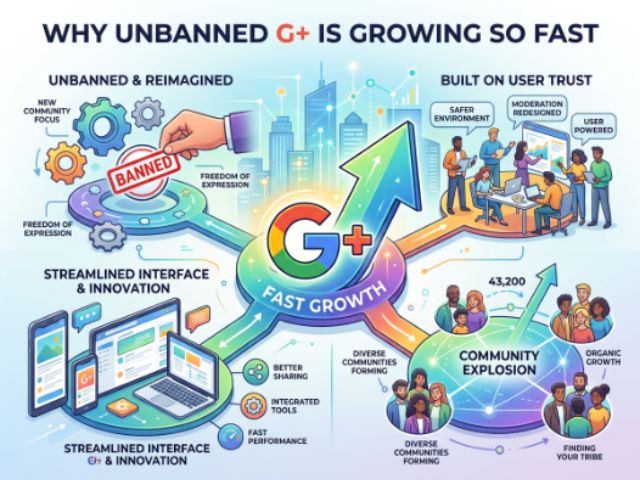
Several factors are fueling this trend’s rapid growth in 2026:
- Stricter school filtering software : has pushed students to search harder for workarounds, increasing demand for unblocked alternatives.
- Chromebook adoption in classrooms: has exploded, and these devices are a perfect match for lightweight browser games.
- Short-form video platforms : like YouTube Shorts and TikTok frequently feature gameplay clips tagged with unblocked game names, driving curious viewers to search for the sites.
- Zero installation friction : anyone can click a link and be playing within seconds, with no app store, no sign-up, and no waiting.
- Nostalgia and simplicity : after years of increasingly complex AAA games, many casual players enjoy the simplicity of quick arcade-style titles.
- SEO-driven content wars : between competing unblocked game sites have flooded search results, which ironically increases overall visibility of the term.
How These Game Hubs Actually Work
Most Unbanned G+ style websites follow a similar technical structure:
| Step | What Happens |
| 1. Hosting | The site is hosted on a standard web server or free hosting platform |
| 2. Game Embedding | Individual HTML5 games are embedded directly into the page, often via iframes |
| 3. Categorization | Games are sorted into genres like racing, action, puzzle, and multiplayer |
| 4. Search & Filter | A search bar lets users quickly find a specific title |
| 5. Instant Play | Clicking a game loads it directly in the browser tab — no downloads |
Because these games rely on HTML5 and JavaScript rather than Flash or executable files, they can run on almost any modern browser, including Chrome, Firefox, Edge, and Safari, without needing extra plugins.
Some sites also use proxy-style URLs or unconventional domains (like free .github.io or .sites.google.com links) specifically because these domains are less likely to be flagged by school content filters.
What Games Are Actually on These Platforms
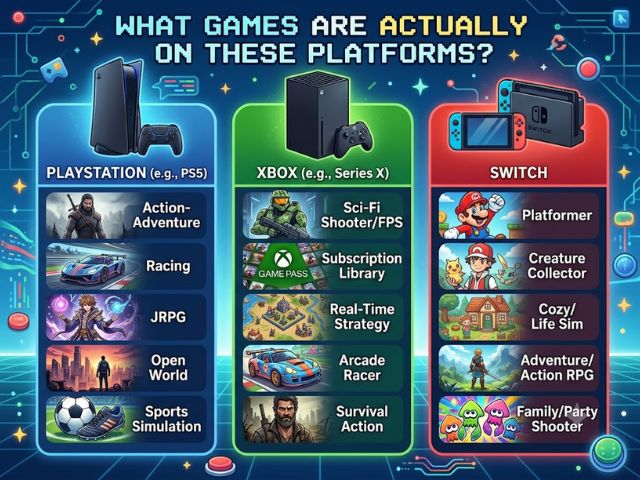
The game libraries on these sites are surprisingly broad. Common categories include:
- Arcade and reflex games : endless runners, timing-based challenges, classic arcade remakes
- Racing and driving games : car stunts, parking challenges, high-speed tracks
- Shooter and combat games : lighthearted, cartoon-style shooting games
- Puzzle and logic games : brain teasers, match-three games, physics puzzles
- Multiplayer games : simple browser-based multiplayer titles
- Sports games : simplified versions of soccer, basketball, and other sports
Most titles are short, casual, and designed for quick five-to-ten-minute play sessions — perfect for a class break or lunch period rather than long gaming marathons.
Read More: Xendit Gamification Summit Work: How We Built an Engaging Employee Experience — Perfect Guide 2026
Why Students Search for This
It’s not complicated: students search for Unbanned G+ because school networks block traditional gaming sites, but downtime between classes, free periods, and after finishing assigned work still exists. A few specific reasons keep the trend alive:
- Boredom during study halls or free periods
- Wanting a quick mental break between assignments
- Peer recommendations and social sharing of specific game links
- Curiosity sparked by videos and clips shared online
- The appeal of “getting away with” something mildly rebellious but harmless
For most students, it’s less about serious gaming and more about a quick, low-stakes distraction.
Is Unbanned G+ Safe? The Honest Answer
This is the most important question, and the honest answer is: it depends entirely on which specific site you use.
Because “Unbanned G+” isn’t one single official website but rather a loose category used by many independent sites, safety varies widely.
Generally lower-risk signs:
- Games load directly in-browser with no download prompts
- No requests for personal information, email, or passwords
- Clean, simple layout without excessive pop-up ads
- HTTPS secure connection in the browser address bar
Warning signs to avoid:
- Prompts to “download an app” or “install an extension” to keep playing
- Sites asking for account creation with real personal details
- Excessive redirect ads or pop-ups that are hard to close
- Suspicious file downloads disguised as game updates
A simple safety rule: if a site behaves like a normal, clean webpage and the games run without extra downloads, the risk is low. The moment anything asks you to install something outside the browser, that’s a red flag.
The Google+ Confusion
It’s worth repeating clearly, since so many people search this exact question: Unbanned G+ is not related to Google+.
Google+ was a real social networking platform launched by Google that was officially shut down for consumer use in 2019. The “G+” in “Unbanned G+” is simply part of a gaming website’s branding — likely chosen because it’s short, memorable, and happens to resemble old Google+ terminology, which may help these sites pick up stray search traffic from people still curious about the old network.
There is no functional, technical, or corporate connection between the two.
Pros and Cons
| Pros | Cons |
| Free to play, no subscriptions | Site quality and safety varies widely |
| No downloads or installations needed | Heavy ad presence on some sites |
| Works on restricted school/office networks | No official regulation or verification |
| Wide variety of casual game genres | Some sites may violate school/work policies |
| Accessible on almost any device with a browser | Content moderation isn’t guaranteed |
| Quick to start playing, no learning curve | Sites can disappear or get blocked without notice |
Legitimate Alternatives Worth Knoing
For players who want browser-based games with better-established reputations and moderation, several well-known alternatives exist:
- Poki:a large, well-moderated browser game platform
- CrazyGames: offers a wide catalog of HTML5 games with active content review
- itch.io (browser section): hosts many indie HTML5 games from verified developers
- Google Play Instant / web-based mini-games:official, verified lightweight games
- School-sanctioned educational game platforms:often provided directly by schools for approved breaks
These alternatives typically offer clearer safety standards, more consistent moderation, and lower risk of unwanted ads or redirects compared to smaller, independently run unblocked game sites.
What the Future of Unbanned G+ Looks Like
Looking ahead, a few trends seem likely to shape where this space goes next:
- More HTML5-only libraries, as browsers continue phasing out any remaining plugin-based content
- Tighter school network filtering, likely triggering another wave of new site names and domains
- Increased competition among unblocked game sites for search visibility, leading to more content-heavy pages like guides, FAQs, and comparison tables
- Possible crackdowns on sites using misleading branding or excessive ads, as awareness of the safety issue grows
- Continued rebranding cycles, where new terms replace “G+” once search engines catch up to current naming patterns
The overall category — free, no-download browser gaming — isn’t going away. But the specific “Unbanned G+” name may eventually be replaced by whatever the next catchy branding trend becomes.
Frequently Asked Questions
Is Unbanned G+ an official website?
No. It’s a general term used by multiple independent unblocked gaming websites, not one single official platform.
Is Unbanned G+ connected to Google+?
No. The name similarity is coincidental branding; there is no actual connection to Google’s discontinued social network.
Do I need to download anything to play?
No. Most games run directly in your browser using HTML5 technology, with no downloads required.
Is Unbanned G+ legal?
Playing the games themselves generally isn’t illegal, but using them may violate your school’s or workplace’s acceptable use policy.
Can these sites contain malware?
Some can, particularly if they prompt downloads or extensions. Stick to sites that only load games in-browser.
Why do schools block gaming sites in the first place?
Schools block gaming sites to reduce distractions and keep students focused on educational content during school hours.
Conclusion
Unbanned G+ isn’t a single mysterious app or hidden platform — it’s simply the current name attached to a long-running trend of free, browser-based, unblocked gaming websites aimed mostly at students and casual players on restricted networks. The concept has been around for years in different forms, and this particular branding wave has caught on fast thanks to Chromebook adoption, social media exposure, and the constant back-and-forth between school filters and workaround sites.
If you do explore this space, stick to sites that keep things simple: no downloads, no personal information requests, and no shady pop-ups. And if you want extra peace of mind, established platforms like Poki or CrazyGames offer the same quick, free gaming experience with a more reliable safety track record.
Leave a Reply